Insurance has quietly become one of the most acute financial pressures in residential property management, and weather-related disasters are the primary driver.
The numbers tell a clear story. According to the Federal Reserve Bank of Minneapolis, property insurance premiums for multifamily housing owners in 2024 were double those of 2021, more than six times the rate of Consumer Price Index growth over the same period. ICE Mortgage Monitor data shows property insurance costs have surged 70% over the past five and a half years, growing at 11.3% year-over-year, far outpacing increases in principal, interest, and property taxes.
For residential portfolio managers, the connection between disaster response quality and insurance economics is direct: better preparation leads to fewer claims, and better documentation leads to better claim outcomes. Both affect the premium trajectory over time.
The Scale of the Problem
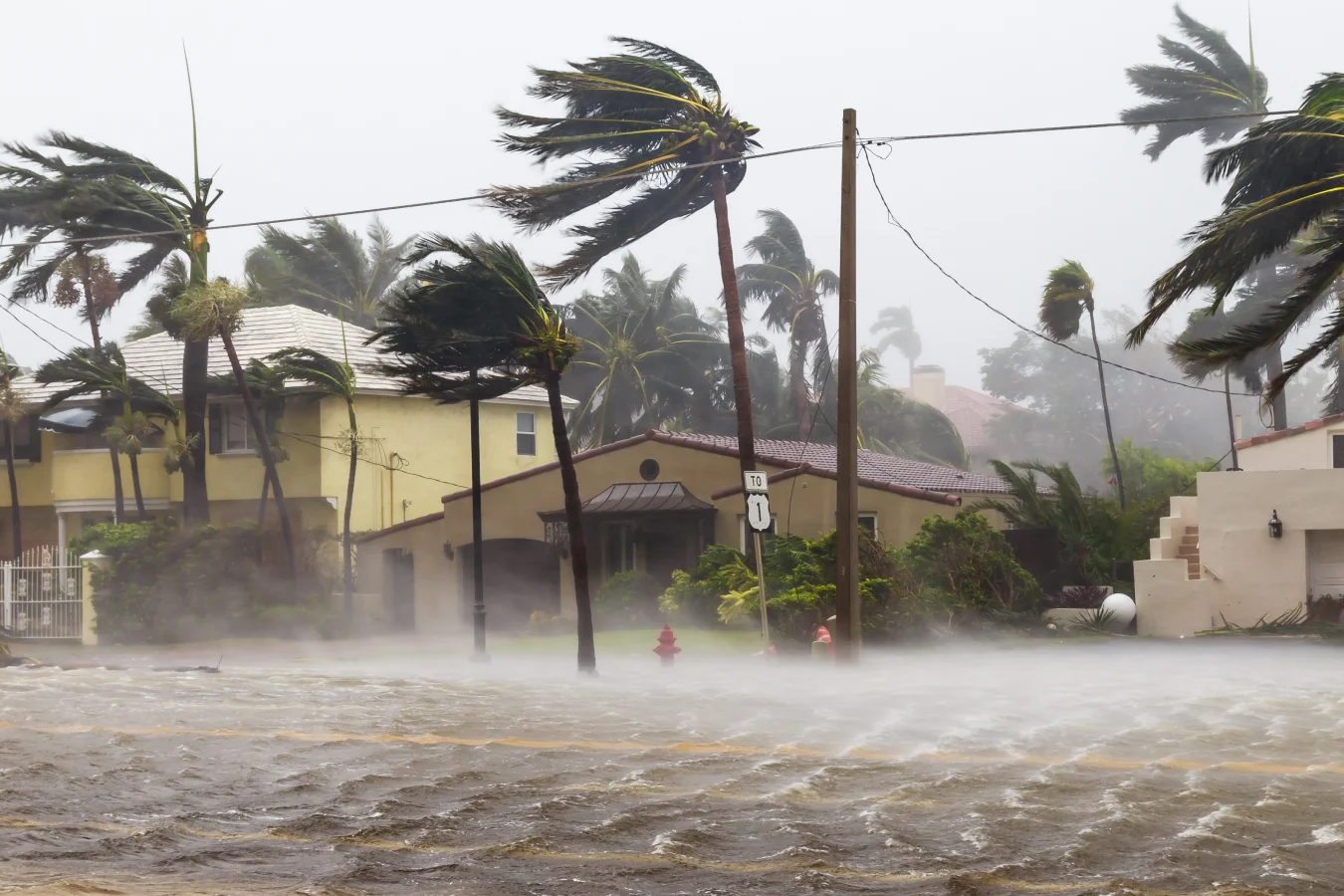
In 2024, the U.S. experienced 27 billion-dollar weather disasters totaling $182.7 billion in damages, well above the five-year annual average of $149.3 billion.
One in every 67 insured homeowners files a water damage or freezing claim each year, averaging $15,400. Water damage claims cost the insurance industry approximately $13 billion annually.
For a manager running 200+ units, water damage incidents are not edge cases. They are routine. The question is whether response infrastructure minimizes their cost and documentation impact, or allows them to cascade into larger claims.
How Disaster Response Quality Affects Insurance Economics
Fewer escalated claims means a healthier claims history.
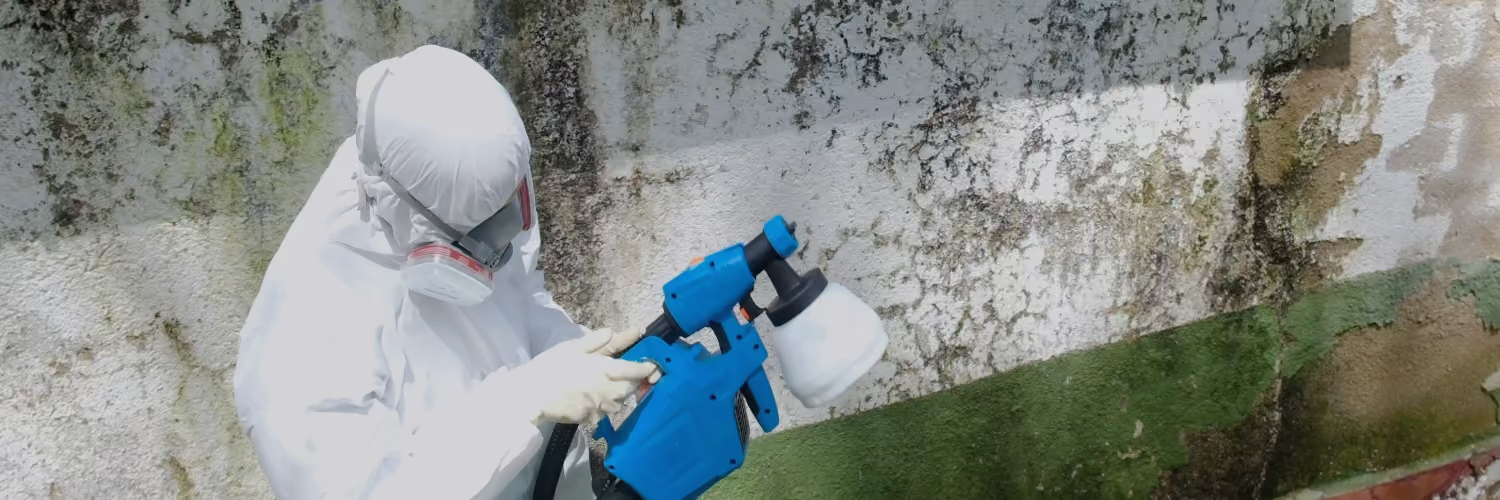
Mold can begin growing on damp surfaces within 24 to 48 hours. Mold remediation averages $1,100 to $3,400 per project, costs largely avoidable with fast response.
Better documentation means better claim outcomes.
Insurance adjusters need a clear chain: what happened, when it happened, what conditions were observed, and what work was performed. Portfolios that capture this in real time consistently achieve faster settlements and fewer disputes.
Insurance-funded projects represent approximately 59% of all disaster restoration spending. Documentation quality is one of the most controllable variables in claim outcome.
Vacancy Risk: The Second Financial Lever
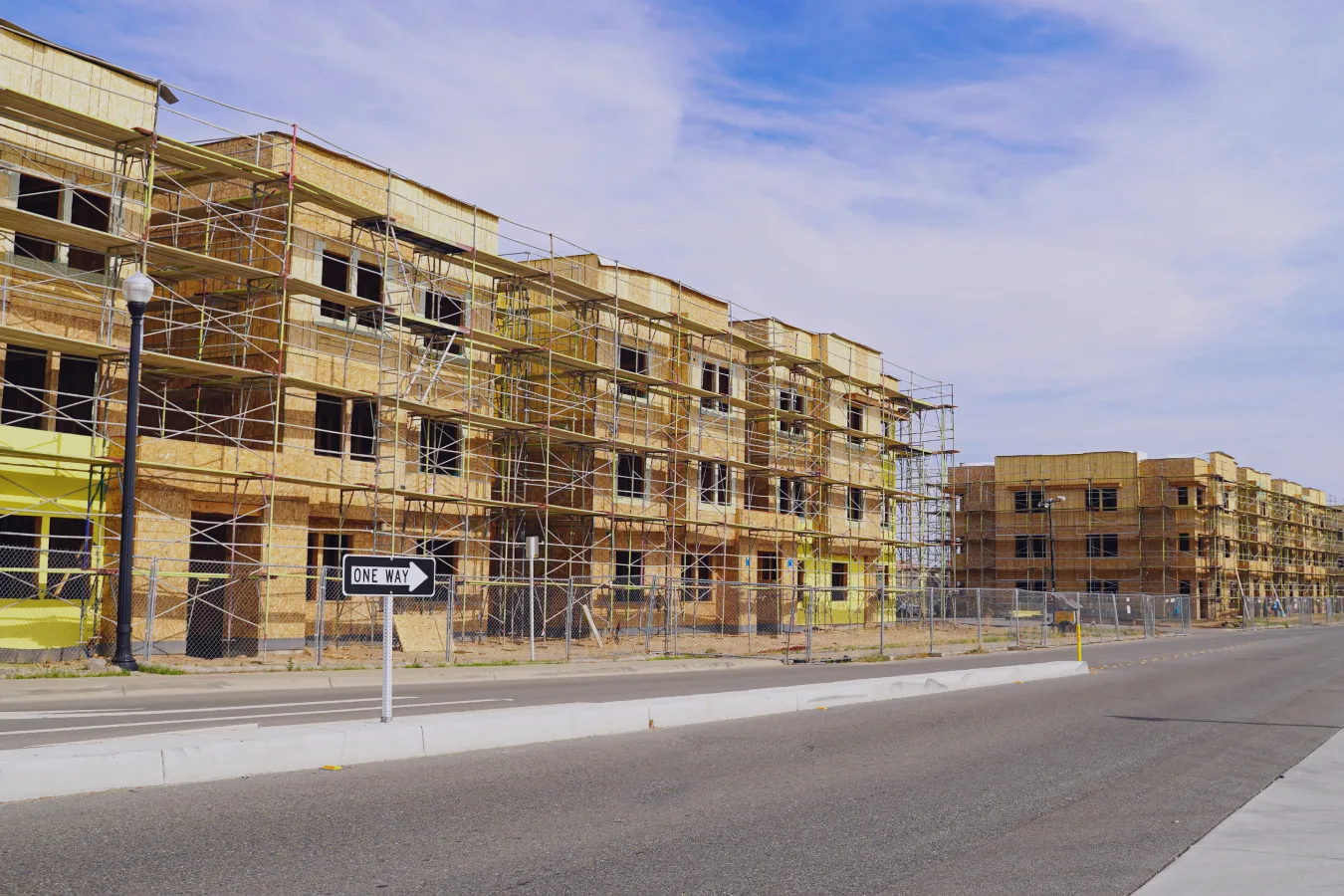
Single-family vacancy rates reached 6.3% in early 2025, the highest level in nearly a decade. Extended vacancy caused by storm damage, or by a disorganized recovery that leaves units unrepaired for weeks, is a direct revenue loss. For SFR portfolios especially, each day a unit sits uninhabitable is a day of lost rent and potential tenant attrition.
Lessen's Role in Residential Disaster Risk Reduction
Lessen integrates pre-event preparation, centralized triage, rapid vendor mobilization, and real-time documentation into a single operational model for SFR and multifamily portfolios, reducing the frequency of escalated claims, improving claim outcomes, and minimizing vacancy exposure during recovery.
Lessen helps SFR and multifamily operators build the response infrastructure that keeps small weather events from becoming large insurance events with pre-staged vendors, centralized intake, and documentation that supports faster, more complete claim settlements. Learn how Lessen supports residential disaster recovery
Ready to see it in action?
Tell us how your portfolio runs today, and we'll show you exactly where Lessen fits.