
The 48-Hour Window: Why Speed Defines Residential Disaster Recovery

For residential property managers whether overseeing a scattered-site SFR portfolio or a multifamily community, disaster response is measured in hours. Not because of arbitrary urgency, but because the physical and financial consequences of delay compound within the first 24 to 48 hours in ways that are difficult and expensive to reverse.
The 48-Hour Rule: Why It Defines the Recovery Scope
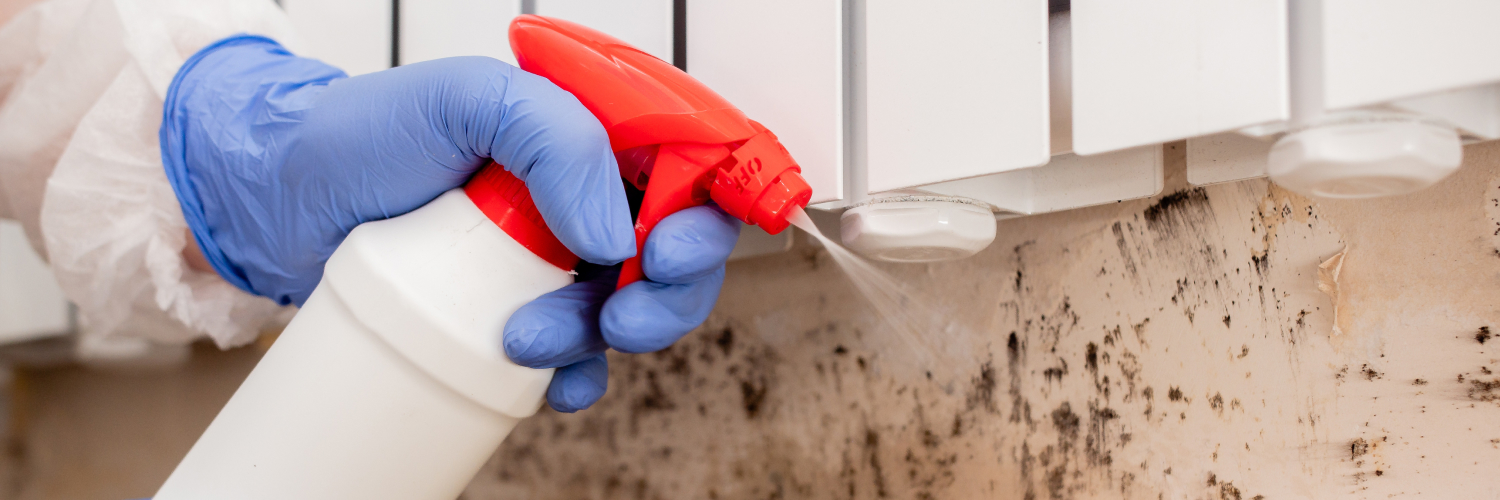
Mold can begin growing on a damp surface within 24 to 48 hours of water exposure. Once established, remediation becomes a separate, costly scope on top of the original water damage repair. Mold remediation costs in the U.S. average between $1,100 and $3,400 per project.
A single burst pipe averages approximately $4,000 in repairs when addressed promptly. Delays that allow water spread or mold growth substantially expand that scope. Just 1 inch of standing water can cause up to $25,000 in property damage.
For a portfolio manager overseeing 100+ units, those numbers multiply across multiple concurrent incidents after any weather event. The cost of not having a structured, fast-response model is not theoretical. It shows up on the P&L.
The Problem Is Frequency, Not Just Severity
According to NOAA, approximately 90% of all natural disasters in the U.S. involve flooding. Between 1996 and 2019, 99% of U.S. counties were affected by a flooding event.
One in every 67 insured homeowners files a water damage or freezing claim each year, with an average claim amount of $15,400. The portfolios that manage this best are not faster at reacting. They are better at pre-positioning for it.
What Speed Requires: The Infrastructure Behind Fast Response
Pre-staged vendor relationships.
Preventive maintenance programs reduce overall maintenance costs by 12–18% and deliver up to 4x ROI. The same infrastructure logic applies to disaster preparedness: vendors positioned before the event are available when needed.
Centralized intake and triage.
Post-event, work orders arrive from multiple properties simultaneously. Without a structured intake model, habitability and life-safety issues can get buried in volume. A centralized triage system ensures the most urgent issues are addressed first, regardless of concurrent request volume.
Real-time documentation.
Insurance-funded projects represent approximately 59% of all disaster restoration spending. Documentation quality directly determines how quickly and completely residential claims settle.
How Lessen Supports Residential Portfolio Recovery
Lessen works with SFR and multifamily operators to build structured disaster response into day-to-day portfolio operations, with pre-staged vendor networks, centralized intake, weather-intelligent risk identification, and real-time documentation. The goal is to be ready before the 48-hour window opens, not scrambling after it closes.
Ready to close the 48-hour gap? Lessen helps SFR and multifamily operators respond faster after weather events with pre-staged vendors, centralized triage, and real-time documentation built into everyday operations. Not a reaction plan. A system.
See how Lessen approaches residential disaster recovery →
- This is my list