
Summer Surge Planning for Distributed Property Portfolios


Summer doesn't ease into commercial property operations. HVAC systems get pushed to their limits. Facility activity peaks. Landscaping and exterior work accelerates across dozens or hundreds of locations at once. For operators managing distributed commercial portfolios, the gap between a proactive summer plan and a reactive scramble can be costly.
The challenge isn't just the heat. It's the compounding effect of high demand, compressed timelines, and the complexity of managing maintenance across a dispersed footprint — without full visibility into what's coming.
The Problem with Reactive Summer Operations
Most summer maintenance issues aren't unpredictable. They're just unplanned. HVAC failures that could have been avoided with a spring inspection. Landscaping backlogs that build because vendor capacity wasn't locked in early. Service delays that create operational friction and drive up costs.
For portfolio operators relying on location-by-location maintenance coordination, these issues tend to surface at the worst possible time: peak demand, when vendor availability is tightest and costs are highest. Without centralized visibility into asset condition and service history, it's nearly impossible to prioritize proactively or allocate resources efficiently at scale.
What Effective Summer Surge Planning Looks Like
Getting ahead of summer requires more than a checklist. It requires a structured approach spanning asset readiness, vendor capacity, and portfolio-wide visibility — executed well before temperatures rise.
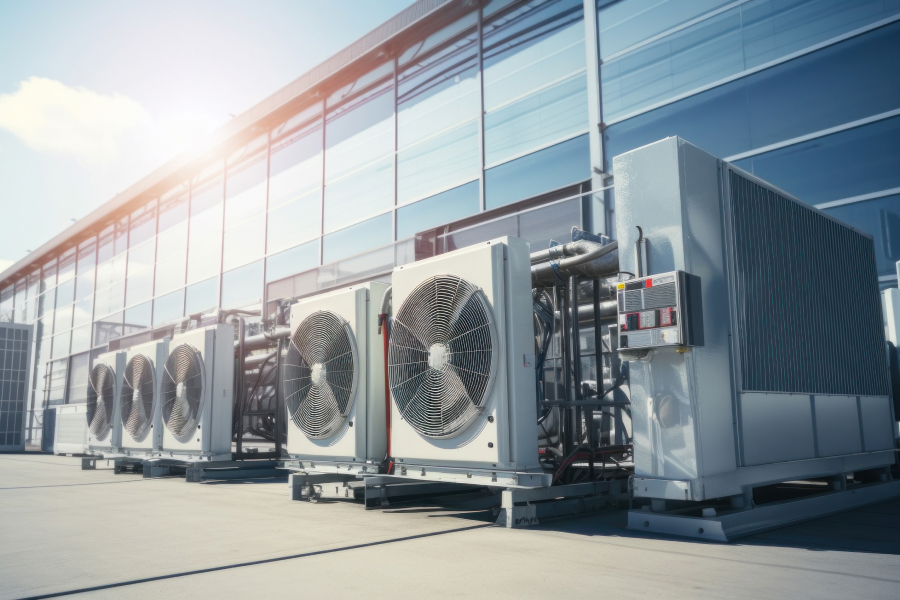
HVAC readiness is the foundation. A preventative maintenance program completed in spring surfaces units at risk of failure, identifies refrigerant compliance exposure, and allows operators to prioritize capital spend before the season begins — rather than responding to emergency calls in August when facility performance and operational continuity are on the line.
Exterior and grounds require early vendor coordination. Landscaping, irrigation, and exterior inspections all compete for the same vendor capacity during summer. Operators who lock in schedules in advance avoid the availability gaps and cost premiums that come with last-minute coordination — especially across multi-market portfolios where regional capacity varies.
Facility performance is a summer-specific pressure point. Summer brings elevated activity, extended operating hours, and heightened demands on building systems. Coordinating maintenance, repairs, and inspections across multiple locations simultaneously requires reliable vendor networks, clear workflows, and real-time job tracking. Portfolios without these systems often find themselves managing backlogs that affect operational efficiency and property performance.
Data visibility enables smarter prioritization. The most effective surge plans are built on accurate portfolio-wide data: asset condition, service history, open work orders, and spend trends. With that visibility, operators can identify high-risk locations and deploy the right resources at the right time.
The Role of Centralized Operations
Summer surge planning becomes significantly more manageable when operations are centralized. A single system of record for work orders, asset data, vendor performance, and spend gives portfolio leaders the visibility they need to plan proactively rather than react.
Through One by Lessen™, commercial operators gain real-time visibility into work order status and site-level performance across all locations. AI-assisted work order creation through Aiden reduces administrative friction, while smart dispatching connects teams with the right vendors faster. Structured planning cadences ensure leadership can see what's coming and hold vendors accountable to consistent standards — whether managing 50 properties or 5,000.
Start Before the Heat Does
The operators who manage summer well aren't the ones who respond fastest when things go wrong. They're the ones who planned early enough that fewer things go wrong in the first place.
That means HVAC preventative maintenance in spring, not July. Vendor capacity locked in before seasonal demand peaks. Facility workflows built to scale. And the data visibility to know where the risks are before they become emergencies.
Summer is coming. The question is whether your commercial portfolio is ready for it.
Lessen helps commercial property operators build maintenance programs that scale — from preventative HVAC programs and vendor network management to centralized operations platforms built for distributed portfolios. Contact Lessen to learn how we can help you get ahead of summer.
- This is my list