
Storm Recovery for Residential Portfolios: Getting Residents Back to Normal Faster
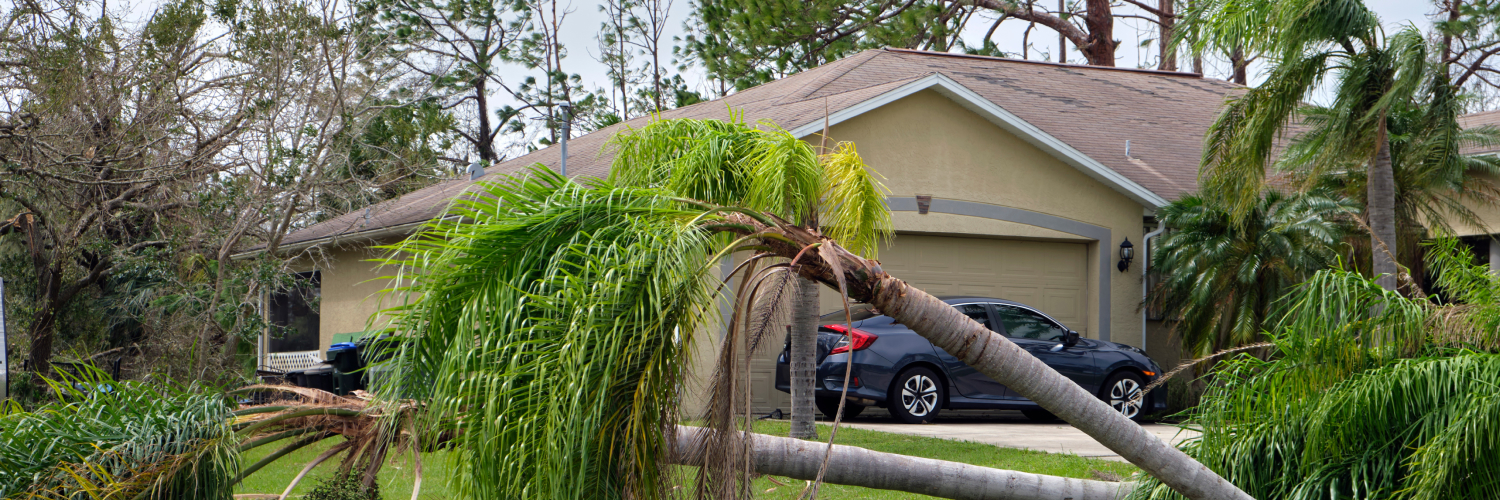

Storm season doesn't discriminate. Whether it's a hurricane making landfall along the Gulf Coast, a derecho tearing through the Midwest, or a winter ice storm knocking out power across an entire region, severe weather events create an immediate and compounding maintenance challenge for residential property operators.
The damage itself is only part of the problem. The real test is what happens in the hours and days after: how quickly operators can assess what's been affected, mobilize the right resources, and restore safe, functioning homes for residents who are already stressed and displaced. For single-family rental operators responsible for hundreds or thousands of homes across multiple markets, how well that response is executed determines resident satisfaction, retention, and the long-term condition of the asset.
Why Storm Recovery Is Different from Routine Maintenance
Most maintenance workflows are built around predictability. A resident submits a request, a work order is created, a vendor is dispatched, and the job gets done. Storm recovery doesn't work that way. Damage arrives all at once across multiple locations simultaneously. Vendors are in high demand and short supply. Some homes need emergency stabilization before permanent repairs can begin. And residents, many of whom may be displaced, need clear communication about what's happening and when their home will be ready.
Without the right systems in place, that volume and complexity quickly becomes unmanageable. Work orders get missed. Vendor capacity gets misallocated. And the resident experience suffers in ways that are difficult to recover from even after the physical repairs are done.
The Components of an Effective Storm Recovery Response
Fast, effective storm recovery for residential portfolios requires more than good intentions. It requires a coordinated operational response built around four core capabilities.
Rapid damage assessment across the portfolio. Before recovery can begin, operators need to know what they're dealing with. That means mobilizing inspections quickly across affected markets, capturing consistent damage data at the property level, and prioritizing response based on severity. Homes with safety hazards or habitability issues require immediate attention. Properties with cosmetic or deferred damage can be triaged into a follow-up queue. Lessen's inspection and triage workflows are built to support exactly this kind of rapid, structured assessment so operators are making decisions based on data, not guesswork.
Access to vendors who can respond at scale. Post-storm vendor capacity is one of the most acute constraints residential operators face. Local contractors are overextended. Specialty trades like roofing, water mitigation, and structural repair have waitlists. Operators without pre-established vendor relationships in affected markets are left sourcing emergency labor at a significant disadvantage, both in availability and cost.
Lessen's vendor network spans markets across the country, with pre-vetted providers across the trades most commonly needed after storm events. When severe weather hits, that network is already activated, which means faster dispatch and more predictable service quality at a time when both are hardest to find.
Centralized work order management and status tracking. Storm recovery generates a high volume of work orders in a compressed timeframe. Tracking all of them across multiple properties and vendors requires a centralized system that gives portfolio managers real-time visibility into what's open, what's in progress, and what's been completed. Without that visibility, things fall through the cracks and residents are left without updates or resolution.
Through One by Lessen™, operators have a single system of record for all storm-related work orders across the portfolio. Status is tracked in real time, vendors are accountable to consistent performance standards, and leadership has the data they need to manage the recovery from the portfolio level down to the individual property.
Clear resident communication throughout the process. Residents living through a storm recovery want to know two things: that someone is taking care of their home, and when it will be fixed. Operators who communicate proactively throughout the process, with clear updates on assessment timelines, repair schedules, and completion, build trust even when the news is that repairs will take time. Operators who go silent create anxiety, complaints, and ultimately churn. With Lessen managing the operational workflow using our One Maintenance app, site teams spend less time chasing status updates and more time keeping residents informed.
Preparedness Reduces Recovery Time
The operators who recover fastest from storm events aren't just well-resourced. They're well-prepared. They've established vendor relationships before the storm season starts, have inspection workflows ready to deploy, and are operating on a centralized platform that can absorb a surge in work order volume without breaking down. Lessen works with residential operators to build that foundation before storm season arrives, so when severe weather hits, the response infrastructure is already in place. For residential portfolio operators, summer and fall storm seasons are predictable enough that preparation isn't optional. The question is whether it's part of a structured operational strategy or an afterthought.
Protecting Residents and Assets When It Matters Most
Storm damage is unpredictable. The response to it doesn't have to be. Residential portfolio operators who treat storm recovery as a structured operational capability rather than an ad hoc scramble protect more than their assets. They protect the resident relationships that drive long-term portfolio performance.
The cost of a slow or poorly coordinated recovery compounds fast. Displaced residents who feel unsupported don't renew. Properties left in a damaged state deteriorate further. And the reputational impact of a poor storm response is difficult to walk back once it's set in.
Lessen's storm recovery capabilities are built to keep residential operators ahead of that curve — with the vendor network, inspection workflows, and centralized work order management to execute a fast, coordinated response across every affected property. Contact Lessen to learn how our vendor network, the One by Lessen™ platform, and storm recovery capabilities can help protect your residential portfolio and your residents when severe weather hits.
Contact Lessen to learn how our vendor network, the One by Lessen™ platform, and storm recovery capabilities can help protect your residential portfolio and your residents when severe weather hits.
- This is my list