
How Proactive Replacement Programs Stabilize Resident Comfort and Costs
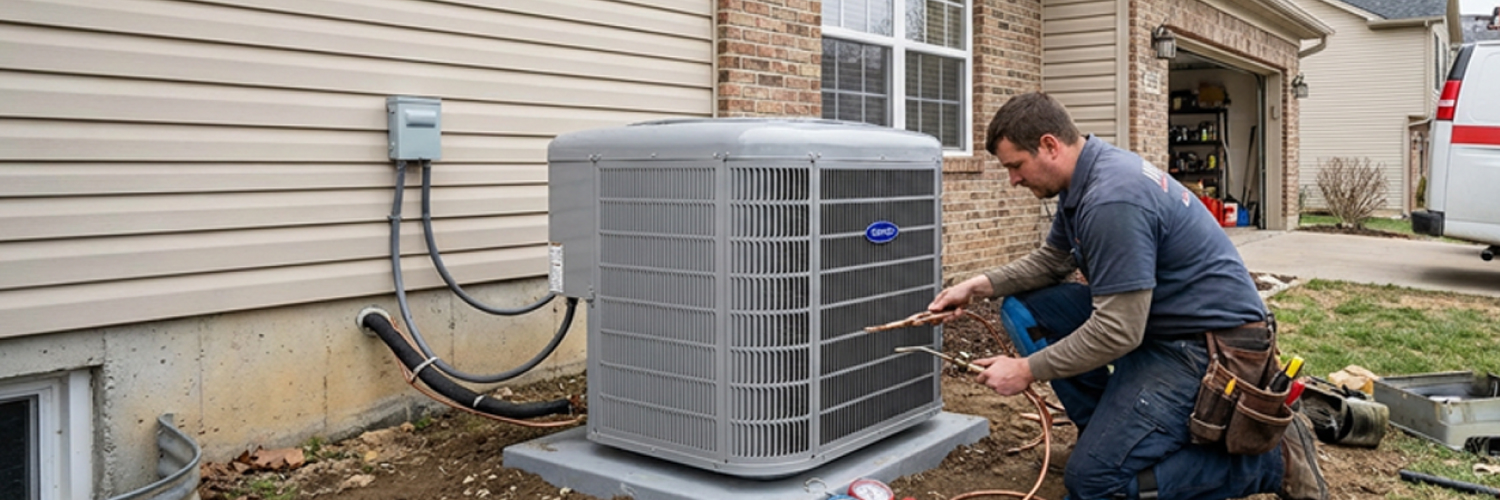

As April brings warmer weather into more markets, residential operators start to see where their biggest service risks are heading into peak season. Systems that made it through winter with minor issues begin showing signs of strain. Comfort-related calls start to rise. Regional teams begin looking more closely at which properties are most exposed before summer demand builds.
That makes spring an important planning window. When replacement activity is addressed early, operators have more control over service delivery, resident experience, and costs. When it is delayed until failure, teams are forced into reactive decisions at the exact moment pressure is highest.
Why reactive replacement creates instability
For onsite teams, a failed system is never just an asset issue. It quickly becomes a resident issue, a scheduling issue, and often a budget issue too.
An HVAC unit fails during warm weather. A water heater goes down in an occupied home. An appliance problem delays a turn. The result is familiar: resident frustration rises, urgent approvals are needed, vendors are pulled into rush work, and teams have less flexibility in how the job gets done.
Across a portfolio, that reactive pattern leads to more cost variability, less consistency in equipment decisions, and more pressure on both site teams and regional leaders.
Why spring is the right time to act
April sits in a useful gap between seasons. Winter performance is still fresh, but many teams still have time to act before the busiest stretch of summer service demand begins.
This is when proactive replacement programs create real operational value. Instead of waiting for more systems to fail under peak demand, operators can identify high-risk assets early, align replacements to property needs, and sequence work more deliberately.
That gives teams more control over labor, equipment planning, resident communication, and budget pacing before urgency takes over.
Better planning helps stabilize resident comfort
Residents feel maintenance performance most clearly when comfort is disrupted. They may never see the planning behind a successful replacement program, but they absolutely feel the impact when cooling is lost, hot water is unavailable, or a move-in is delayed because a unit is not ready.
Proactive replacement helps reduce those disruptions by addressing aging or high-risk assets before they become emergency service events. That creates a more stable resident experience and reduces the concentrated pressure that comes when multiple failures hit at once.
For regional and onsite teams, fewer emergencies also mean more time to stay focused on service instead of escalation.
Cost stability comes from fewer emergency decisions
The biggest advantage of proactive replacement is not only lower disruption, but also better control.
Emergency replacements tend to come with compressed timelines, fewer vendor options, inconsistent equipment decisions, and more approval pressure. Even when the work is completed quickly, the process is harder to manage and harder to forecast.
Proactive programs create a more controlled structure. Operators can group work more strategically, standardize where it makes sense, and align replacement activity with broader maintenance and turn planning. That leads to fewer surprises and a more predictable cost profile across the portfolio.
Stronger programs are built on better visibility
A proactive replacement strategy works best when operators can look beyond the individual work order and see broader patterns across properties, assets, and service history.
Repeated repairs, similar asset age profiles, and recurring comfort complaints often point to replacement needs before a full failure occurs. The more clearly teams can see those patterns, the easier it becomes to prioritize action and avoid reactive decision-making later.
That is where a more connected operating model can make a meaningful difference. When operators can combine service history, property-level insight, execution support, and flexible tools, replacement decisions become more practical and more consistent for the teams responsible for carrying them out.
A more controlled path into peak season
Proactive replacement programs do more than address aging equipment. They help stabilize service delivery, reduce avoidable resident disruption, and bring more predictability to cost planning ahead of the busiest months of the year.
For residential operators, that matters most in the transition into summer, when the gap between planned work and emergency work can quickly become visible across the portfolio.
Spring is the right time to get ahead of the replacements that can create the most disruption later in the year. Contact Lessen to explore a more coordinated approach to residential maintenance and replacement planning across your portfolio.
- This is my list