Seasonal Volatility Has Become a Structural Problem
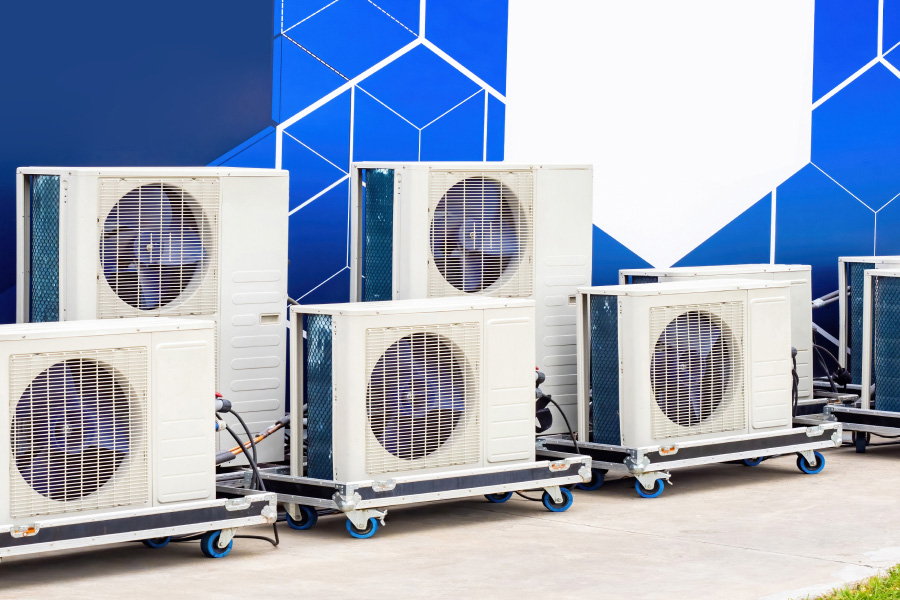
For many commercial portfolios, seasonal spend spikes have long been accepted as part of facilities operations. Summer brings HVAC strain. Winter introduces weather-driven risk. Shoulder seasons trigger catch-up work that never quite stays contained.
What’s changed heading into 2026 is the cost of that volatility. Labor shortages, tighter vendor capacity, and aging assets have turned predictable seasonal swings into budget-breaking events. What once felt manageable now creates cascading pressure on operating budgets, capital plans, and service levels.
Leading operators are responding by challenging a long-held assumption: that seasonal spikes are unavoidable.
Why Seasonal Spend Escalates So Quickly
Seasonal spikes rarely come from a single cause. They build quietly through compounding inefficiencies.
Deferred maintenance concentrates failures into peak periods. Inconsistent preventative programs allow small issues to become emergencies. Vendor coverage tightens just as demand surges, pushing rates higher and response times longer. Temporary solutions like rental equipment or expedited labor fill the gap at a premium.
By the time spend spikes appear in financial reports, the drivers are already baked into the system.
Planning Earlier Changes the Cost Curve
Operators flattening seasonal spend are shifting planning windows earlier, well before peak demand hits.
Instead of reacting to summer failures in July, they assess HVAC performance in spring. Instead of scrambling for winter readiness in December, they stabilize assets and vendor coverage in advance. This approach spreads work more evenly across the year, when labor is more available and pricing is more stable.
The result isn’t just fewer emergencies. It’s smoother cash flow, fewer premium invoices, and budgets that hold up under scrutiny.
Preventative Maintenance as a Spend Stabilizer
Preventative maintenance is often discussed in terms of asset health. In practice, its biggest impact is financial predictability.
Consistent inspections and servicing reduce the volume of reactive calls during peak seasons, when costs are highest. They also surface early warning signs that allow repairs or replacements to be scheduled during lower-demand periods.
Leading operators treat preventative maintenance as a financial control mechanism, not just a technical one.
Vendor Coverage Determines Cost Stability
Seasonal volatility exposes weaknesses in vendor networks. When demand spikes, fragmented or inconsistent coverage leads to delays, rate increases, and rushed work.
Operators flattening spend spikes prioritize vendor readiness year-round. They standardize scopes, align expectations, and maintain visibility into coverage gaps before peak seasons arrive. That stability reduces the need for last-minute sourcing and premium pricing when conditions tighten.
Vendor oversight, in this context, becomes a lever for cost control.
Data Turns Seasonality Into a Manageable Pattern
Seasonal spend becomes harder to control when teams rely on intuition instead of data.
Mature portfolios analyze historical work order trends, failure timing, and spend patterns to anticipate pressure points. They identify which assets, regions, or services drive the most seasonal variance and address them proactively.
With portfolio-level visibility, seasonality stops being a surprise and starts becoming a planning input.
Flattening Spikes Is About Control, Not Elimination
Leading operators aren’t trying to eliminate seasonality altogether. Weather and usage patterns still matter. The goal is control.
By spreading work across the calendar, stabilizing vendor networks, and grounding decisions in performance data, teams reduce the amplitude of seasonal swings. Budgets become easier to defend. Service levels remain consistent. Emergency spend becomes the exception rather than the norm.
Where Lessen Fits
Flattening seasonal spend spikes requires more than good intentions. It requires centralized execution, clear visibility, and systems built to support portfolio-wide planning.
Lessen helps commercial operators stabilize maintenance programs through standardized preventative maintenance, centralized vendor oversight, and real-time visibility into asset and spend performance. With fewer surprises and more control, teams can enter peak seasons prepared without absorbing unnecessary cost volatility.
Reduce seasonal cost volatility across your commercial portfolio. Contact Lessen to gain clearer visibility, stronger vendor coverage, and more predictable maintenance spend year-round.
Ready to see it in action?
Tell us how your portfolio runs today, and we'll show you exactly where Lessen fits.