
How a Preventative Maintenance Program Can Reduce Energy Consumption
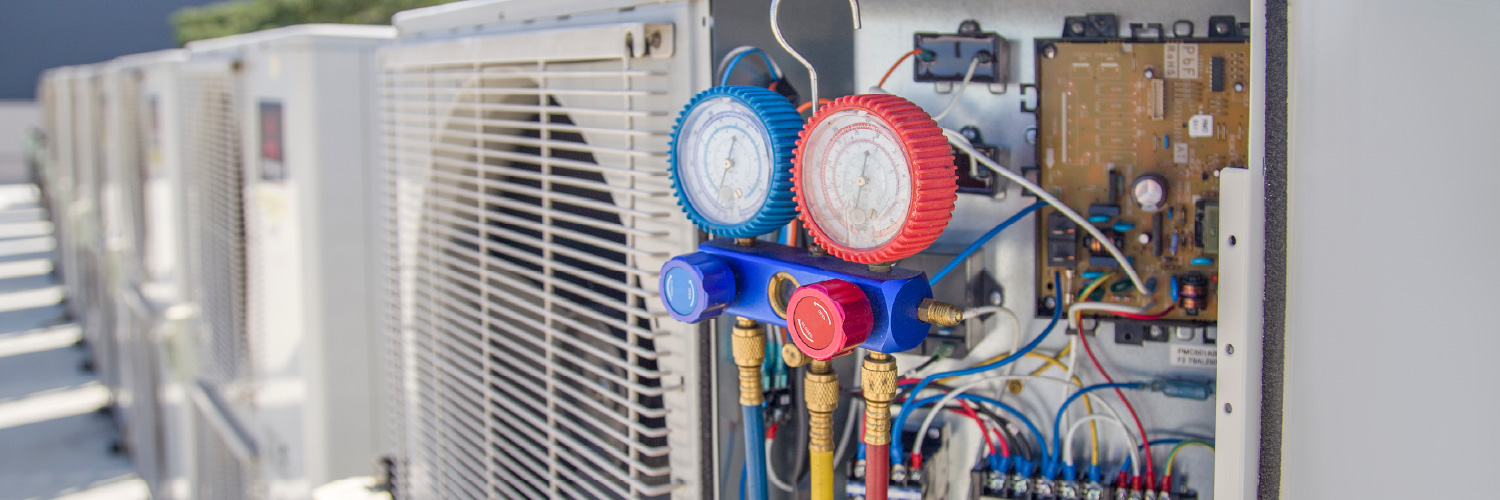

Energy costs rarely spike overnight. They creep up quietly — longer runtimes, higher intensity during peak seasons, and systems working harder than they should to deliver the same comfort. In many portfolios, those increases aren’t driven by weather alone, but by equipment operating outside optimal condition.
A preventative maintenance (PM) program plays a critical role in reversing that trend. When executed consistently, PMs don’t just protect assets, they directly reduce energy consumption and improve system efficiency.
Inefficient Equipment Consumes More Energy by Default
HVAC systems are designed to operate within specific performance tolerances. As components drift out of alignment — airflow restrictions, fouled coils, worn belts, sensor drift — systems compensate by running longer and harder to meet demand.
Without routine maintenance, those inefficiencies compound over time. Energy consumption rises even when occupancy and weather patterns remain relatively stable. PM programs interrupt that cycle by restoring systems closer to their intended operating state before inefficiency becomes normalized.
Runtime and Energy Intensity Are Maintenance Signals
Extended runtimes and elevated energy intensity are often early indicators of maintenance gaps. Systems that require more operating hours to maintain setpoints are consuming more energy than necessary, even if they haven’t failed outright.
A structured PM program allows operators to:
- Identify systems compensating for mechanical or airflow issues
- Correct inefficiencies before peak cooling or heating demand
- Reduce excess runtime that drives unnecessary energy use
By addressing root causes early, PMs help flatten energy curves instead of reacting after costs spike.
Seasonal PMs Reduce Peak-Load Energy Demand
Energy consumption is most volatile during peak seasons, when systems operate near capacity for extended periods. Entering those seasons with unresolved maintenance issues amplifies energy usage at the worst possible time.
Spring and fall PMs prepare equipment for upcoming load by stabilizing performance, recalibrating controls, and correcting airflow and efficiency issues. That preparation reduces energy draw during peak demand periods, when utility rates and system stress are highest.
Consistency Matters More Than Individual Tune-Ups
Energy efficiency gains from maintenance aren’t realized through one-off tune-ups. They come from consistency across properties, regions, and vendors. Fragmented PM execution leads to uneven results; some systems operate efficiently, others quietly waste energy.
Centralized PM programs enforce consistent inspection standards, documentation, and follow-through. That consistency is what enables operators to reduce energy consumption at scale, rather than relying on isolated improvements.
Data Turns Maintenance Into an Energy Strategy
When PM programs are documented and tracked centrally, maintenance data becomes an energy management asset. Service history, inspection findings, and runtime trends provide insight into which systems are driving disproportionate energy use and why.
Over time, this visibility supports smarter repair decisions, targeted efficiency improvements, and more accurate forecasting of both operating costs and capital needs. PMs move from routine tasks to a strategic lever for energy control.
Contact Lessen to centralize preventative maintenance across your portfolio. Lessen delivers standardized PM programs, consistent vendor execution, and documented system performance helping operators reduce excess runtime, improve HVAC efficiency, and control energy spend before peak demand drives costs higher.
- This is my list