
Appliance Replacement Planning During Unit Turns: A Smarter Way to Control Costs
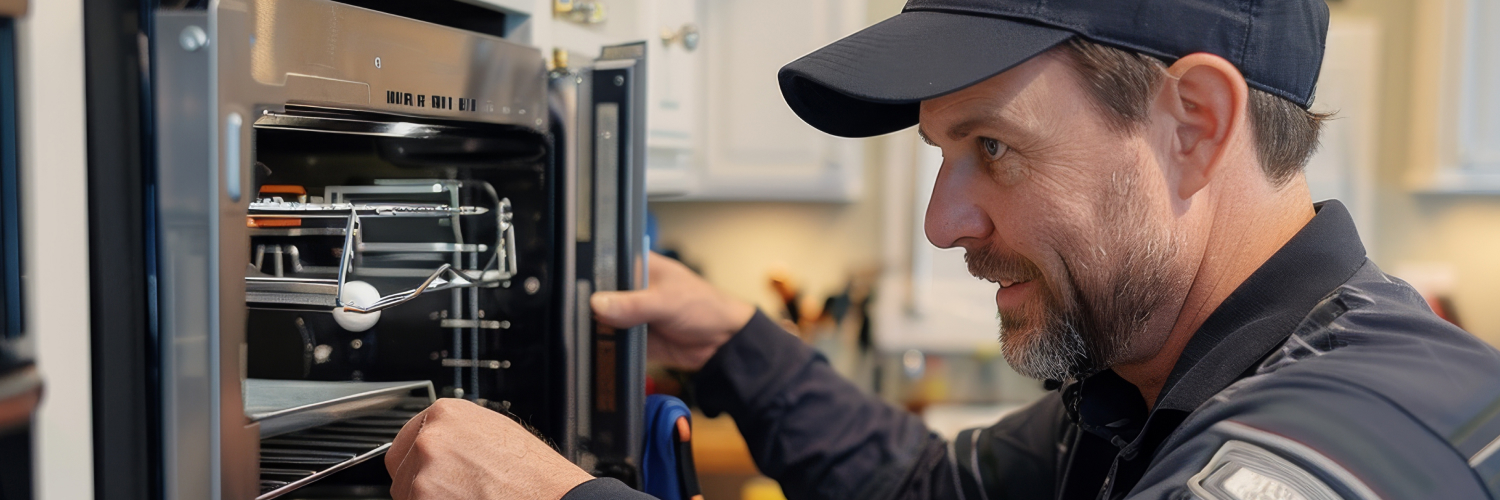

Across many residential portfolios, unit turns begin accelerating in early spring as operators prepare for peak leasing activity. March and April often mark the transition from planning to execution, when make-ready work moves from scheduling boards to active work orders. During this period, appliance replacement decisions become a key factor in both turn timelines and overall renovation budgets.
Refrigerators, washers, dryers, and ranges frequently reach end-of-life during turnover cycles. Replacing them at the right moment rather than waiting for failures mid-lease can help property teams reduce emergency repairs, avoid supply delays, and maintain consistency across units. For many operators, the challenge isn’t identifying when appliances need replacement. It’s managing how those purchases happen across a distributed portfolio.
Why Appliance Replacement Often Becomes Fragmented
In many organizations, appliance sourcing evolves organically over time. Individual properties may order replacements locally, use different suppliers, or rely on ad-hoc purchasing when failures occur.
While this approach works for occasional replacements, it can create inefficiencies as portfolios scale:
- Inconsistent pricing across locations and purchasing channels
- Delays during unit turns when appliances aren’t readily available
- Difficulty standardizing equipment across properties
- Limited visibility into replacement spending across the portfolio
These issues tend to surface most clearly during peak leasing season, when multiple properties are turning units simultaneously and replacement demand increases quickly.
The Case for Coordinated Appliance Sourcing
Some operators are shifting toward more coordinated appliance sourcing strategies, especially during turn-heavy periods.
Instead of handling replacements one property at a time, teams increasingly evaluate appliance needs at a portfolio level—aligning purchasing with turn schedules, renovation projects, and planned capital upgrades. This approach helps create several operational advantages:
- More predictable replacement costs.
Standardized sourcing allows operators to avoid price swings that can occur with local or last-minute purchasing.
- Simpler procurement workflows.
Property teams can focus on completing turns rather than managing multiple vendors or supply channels.
- Better equipment consistency.
Using the same appliance models across units can simplify maintenance, replacement parts, and technician training.
- Fewer delays during make-ready work.
Having access to readily available inventory helps keep turn timelines on track.
As portfolios continue to grow and leasing cycles accelerate, these procurement efficiencies can play a meaningful role in maintaining operational consistency.
Appliance Replacement as Part of Turn Strategy
Appliance decisions are often treated as reactive maintenance events, triggered when equipment fails or residents report issues. However, when incorporated into the broader turn strategy, appliance replacement can become a proactive part of unit preparation.
Property teams frequently review appliances during pre-turn inspections to determine whether equipment nearing end-of-life should be replaced before the next resident moves in. This approach can help reduce mid-lease maintenance disruptions while keeping units competitive in the leasing market.
When coordinated across multiple properties, appliance replacements can also align with renovation schedules, vendor availability, and broader capital planning efforts. Over time, these small operational adjustments can reduce unexpected maintenance events while improving overall unit readiness.
Simplifying Appliance Sourcing Across Portfolios
As operators continue navigating busy leasing seasons, appliance procurement is becoming an increasingly important part of turn planning. Platforms like Lessen Marketplace help simplify sourcing by giving property teams access to commonly replaced appliances such as refrigerators, washers, and dryers from established brands like GE, Frigidaire, Samsung, and Whirlpool.
Instead of managing multiple purchasing channels, teams can browse available options, compare pricing, and coordinate replacements through a single platform designed for property operations. For many portfolios, centralizing appliance sourcing helps maintain consistency across units while keeping turn timelines and replacement costs more predictable.
Streamline your 2026 maintenance and procurement strategy. Explore Lessen Marketplace to simplify appliance sourcing and support faster, more consistent unit turns across your portfolio.
- This is my list