Ask an HOA board member to list the community’s maintenance vendors and the answer is rarely short. A landscaper for the common areas, a separate irrigation company, a pool service, a handyman for the clubhouse, a plumber a neighbor recommended, a paving contractor for the entrance. Each one has its own contract, its own invoice, and its own idea of what "done" means.
The Job Has Outgrown the Local Vendor Model
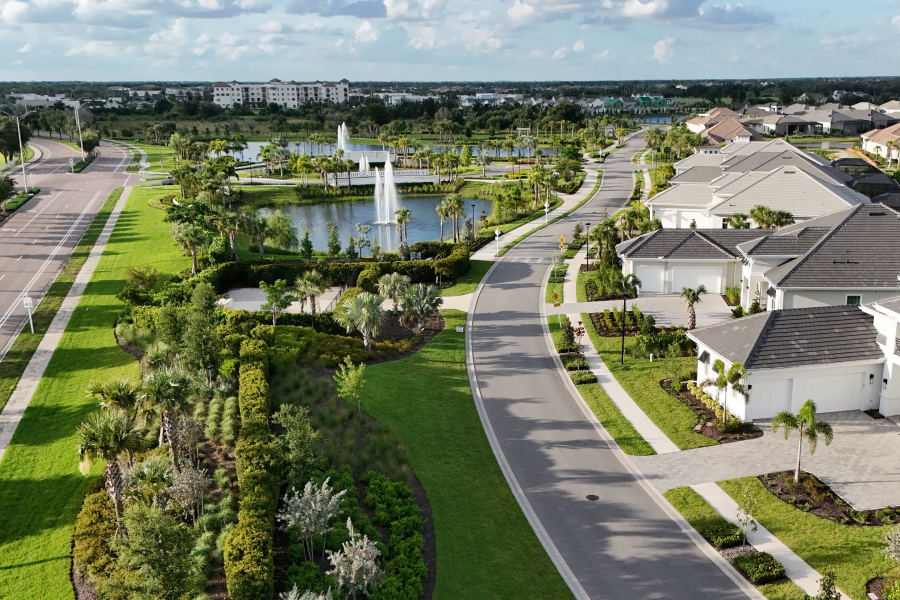
Community associations are no longer a niche. The Foundation for Community Association Research counts 373,000 associations in the U.S., home to 78.1 million residents, and those associations collected $124.2 billion in assessments in 2025 to fund maintenance, utilities, amenities, and reserves. Yet more than 2.5 million volunteers serve on the boards and committees overseeing that spending, and 30 to 40 percent of associations are self-managed. A very large maintenance operation is often run by neighbors, in their spare time, one vendor call at a time.
What Vendor Sprawl Costs an Association
- Accountability gaps. When a drainage problem could be irrigation, landscaping, or paving, three vendors point at each other and the board becomes the project manager.
- Inconsistent standards. Each vendor documents work differently, or not at all, so boards struggle to verify what was done before approving an invoice.
- Uneven response. A single local landscaper cannot cover an overnight burst pipe, and the plumber who can may be someone the board has never vetted.
- Hidden administrative cost. Collecting bids, chasing invoices, and reconciling a dozen vendors falls on volunteers or eats into a management company’s time.
One Execution Partner Across Every Trade
The alternative is consolidation. Instead of managing a roster of local vendors, an association works with one execution partner accountable for results across common areas, exteriors, and everything in between. That is how Lessen approaches it: a single contract, a single invoice, and one point of accountability, with photo-verified completion on exterior work. Behind that sits a network of more than 30,000 vendors and a service menu that covers what an association actually needs:
- Exteriors and grounds: landscaping, snow and ice management, and roofing.
- Amenities and common spaces: pool services, janitorial services, pest control, and floor care.
- Building systems and repairs: HVAC, plumbing, electrical, and appliance repair.
- Emergencies and storms: emergency repairs, after-hours service, pre-storm hardening, and reactive disaster recovery.
- Planning and oversight: CapEx projects, preventative plumbing and HVAC programs, asset and warranty management, vendor risk and compliance, and data collection and reporting.
All of it runs through consolidated billing, one place to manage work orders, and a round-the-clock call center for urgent requests.
What to Look for in a Single Partner
- Coverage across hard and soft services, from landscaping and pool care to plumbing, roofing, and capital projects.
- Documented, photo-verified work the board can audit before paying.
- Round-the-clock response for emergencies, including nights and weekends.
- Consolidated billing and one place to track every work order.
- Scale that holds up as the community’s needs grow.
Local vendors will always have a place in a community’s story. But a board should not have to be a general contractor to keep a neighborhood running. Consolidating to one accountable partner gives volunteers their evenings back and residents the consistency they are paying for.
Is Your Association Managing Vendors, or Managing Its Community?
Lessen replaces a patchwork of local vendors with one accountable partner for landscaping, pool and janitorial services, repairs, and capital projects, with consolidated billing, photo-verified exterior work, and a round-the-clock call center.
See how Lessen supports HOAs →
Ready to see it in action?
Tell us how your portfolio runs today, and we'll show you exactly where Lessen fits.