Pre-storm Hardening
Storm hardening programs built ahead of the season
Before hurricane and severe weather season arrives, Lessen assesses, prioritizes, and executes the hardening work that keeps your portfolio's highest-risk assets out of the disaster-recovery cycle for commercial portfolios, backed by a property services company operating in 150+ metro areas.
.jpeg)
Skipping hardening turns every storm into a capital emergency
Most commercial portfolios treat storm readiness as a scramble; a pre-season checklist, a few roof patches, and a hope that this year's storm season misses the highest-risk sites. When it doesn't, the same roof, drainage, or envelope failures show up as emergency spend and business interruption, year after year.
Lessen turns storm hardening into a managed capital program; asset-level risk prioritized ahead of the season, not discovered during it.
PROGRAM SCOPE
The full hardening lifecycle, managed ahead of the season
From asset risk assessment through capital prioritization, Lessen runs storm hardening as one governed program.
Asset Risk Assessment
Site-by-site evaluation of roofing, drainage, envelope, and exterior assets identifies the failure points most likely to turn into storm-driven capital loss.
Roof & Envelope Hardening
Reinforcement and repair work prioritized by risk and asset age, closing the gaps most likely to fail under wind and water load.
Drainage & Site Grading
Preventative drainage work addresses the flooding and water-intrusion risk that drives the most post-storm damage.
Generator & Backup Power Readiness
Backup power systems inspected and serviced ahead of season so critical sites stay operational through an outage.
Documentation & Insurance-Ready Records
Every hardening action is photo-documented and logged, building the audit trail insurers and risk teams need after a claim.
Capital Prioritization & Budget Planning
Asset risk data rolls into a prioritized capital plan, so hardening spend goes to the sites with the greatest exposure first.
Storm hardening work is only as good as the crew that shows up before the storm
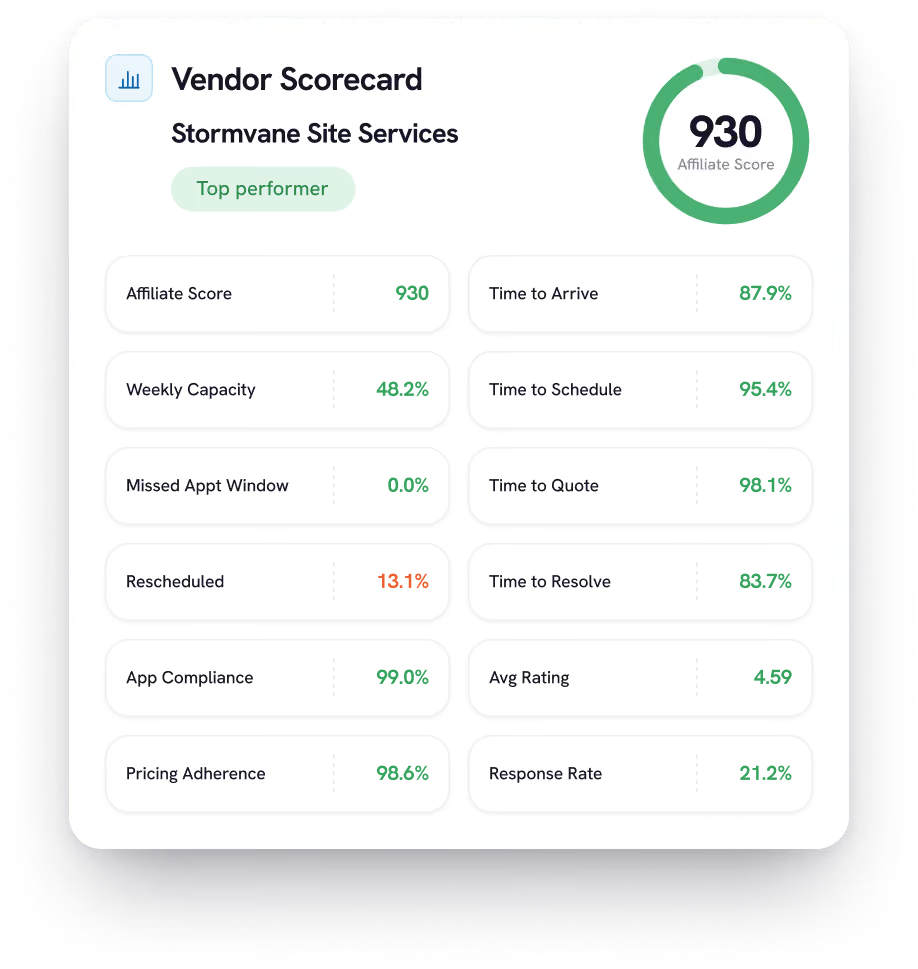
Lessen does not just connect you to storm-prep vendors. Every storm-prep vendor in your program comes from Lessen's managed network of 34,000+ vendors and is held to the same standard: continuously measured, performance-routed, field-verified, and accountable to documented quality requirements.
.jpeg)
Measured continuously
Every vendor is tracked against Lessen's 19-metric live scorecard, so hardening work is held to the same standard whether it's a single branch or a multi-market rollout.
Routed by performance
Vendors are matched to sites by trade and track record, so the crews reinforcing your roofs are the ones with the strongest documented history doing that work.
Verified in the field
Photo-documented, geo-verified completion on every site confirms hardening work was actually done, not just scheduled.
Intelligence where storm hardening decisions get expensive
Better triage from the first report
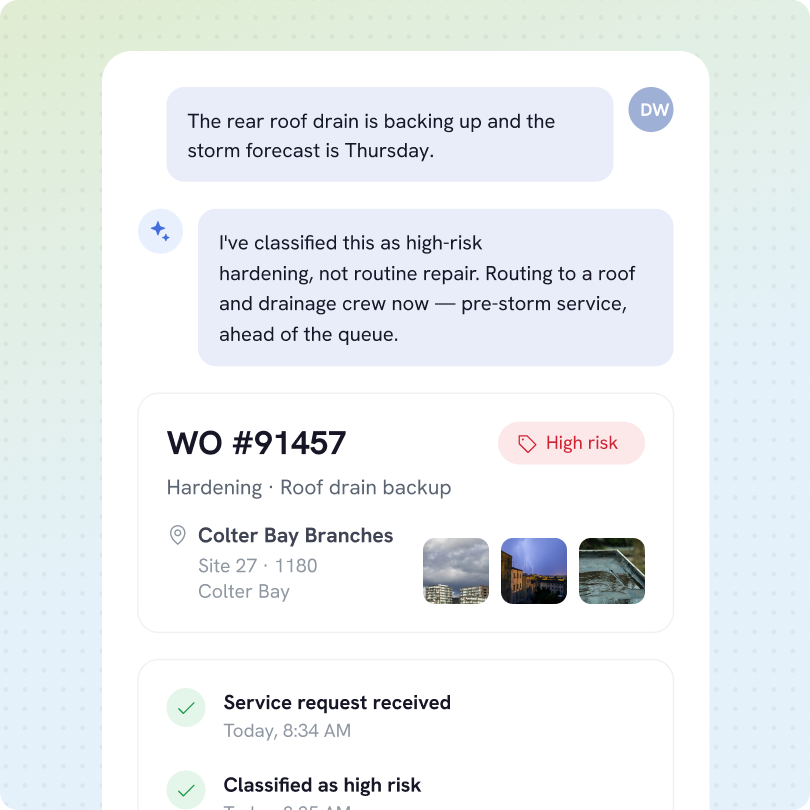
Aiden, Lessen's intelligence, helps classify the hardening request (high-risk asset reinforcement vs. prioritized capital work vs. routine preventative repair) and routes it to the right vendor based on trade, urgency, and performance history, weighing seasonal timing and site disruption alongside asset risk exposure.
The right priority, backed by data
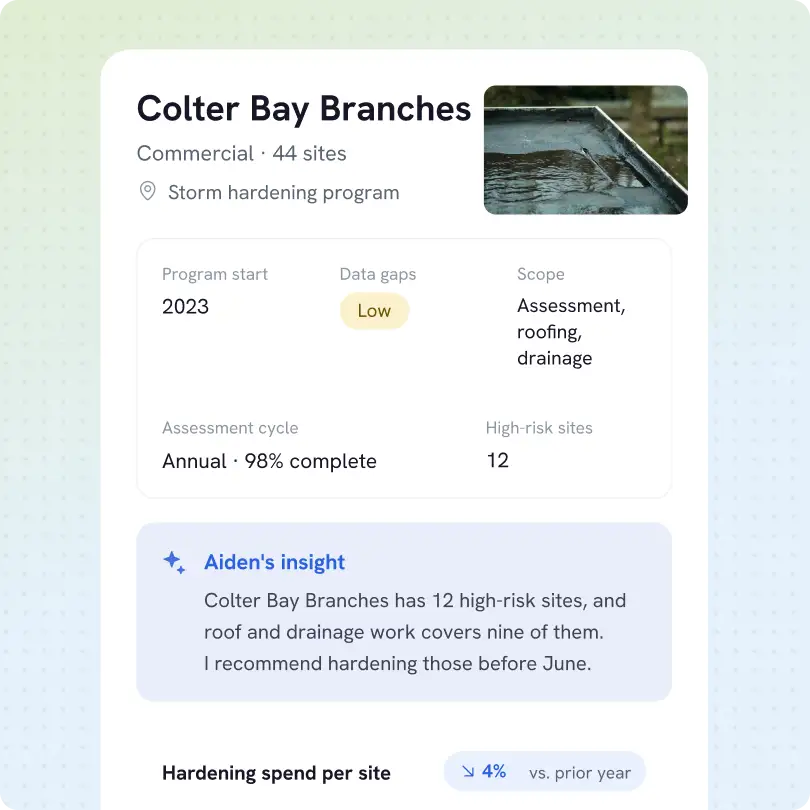
Aiden tracks each site's roof, drainage, and envelope condition, asset age, and storm-damage history, so every harden-now-versus-defer decision is grounded in real asset risk data, not last season's worst loss.
Nothing gets approved unchecked
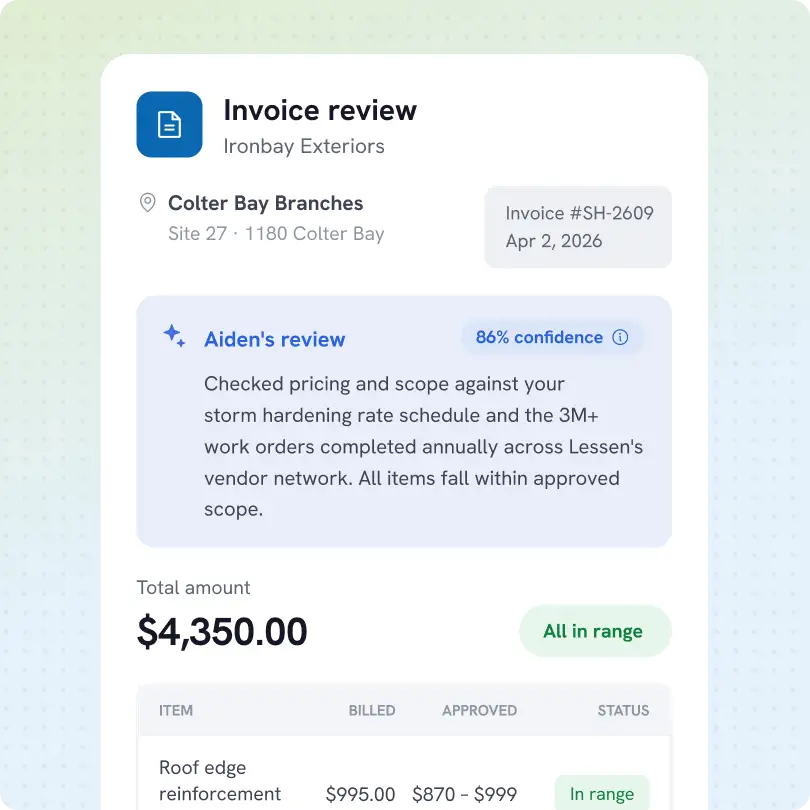
Aiden reviews every invoice and proposal against fair-market pricing and documented scope before approval, flagging over-billing, unverified reinforcement work, and scope creep before they ever reach your desk.

Storm hardening programs built around how each portfolio operates
.jpeg)
A damaged roof or flooded entrance can close a store for days in peak season. Hardening high-risk locations ahead of storm season helps stores reopen fast and protects inventory and sales.
.jpeg)
Customers expect their branch to be open when they need it most, including after a storm. Prioritizing roof, drainage, and envelope work before the season keeps branches serving their communities instead of waiting on emergency repairs.
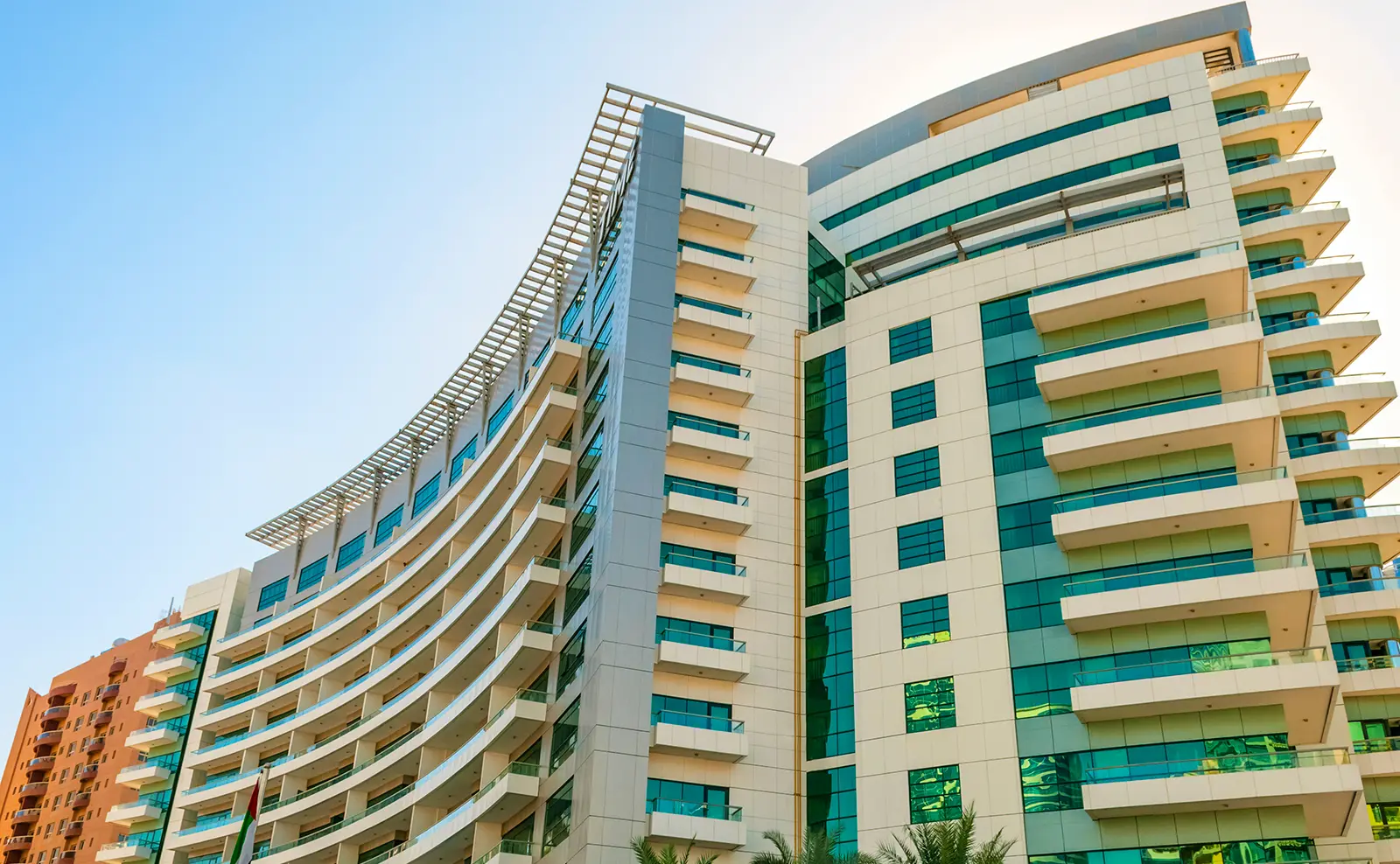
Storms often bring a surge of displaced residents and recovery crews looking for rooms. Securing roofs, windows, and drainage before the season keeps rooms in service when demand is highest.
CUSTOMER STORY
Beyond the Storm: Getting Ahead of Hurricane Milton — Before Landfall
Challenge
This national bank had weathered hurricane seasons with real-time storm tracking but little historical insight into branch-level impact. Storm response depended on incomplete site-level data across a distributed branch network, and resource staging and vendor coordination were difficult to manage ahead of a fast-moving event.
Solution
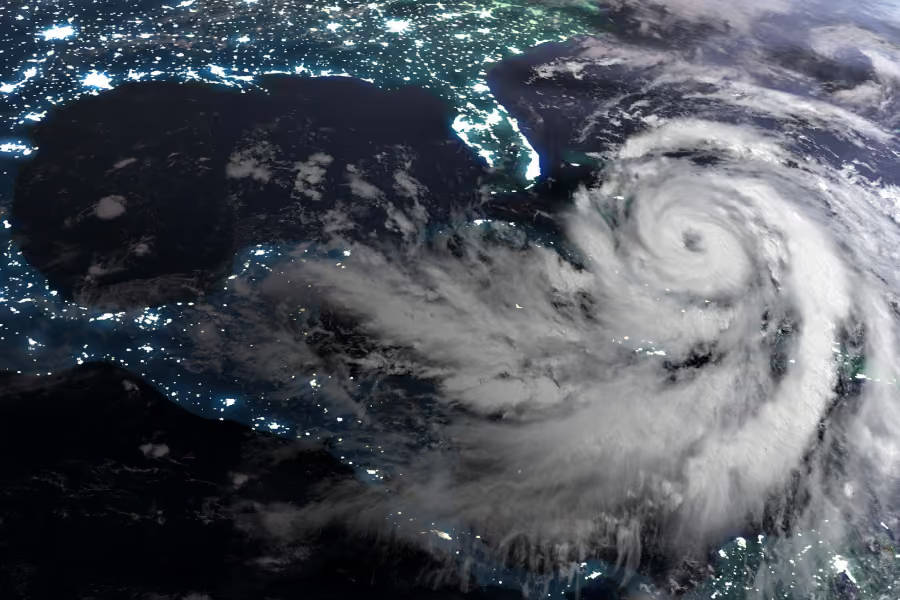
Ahead of Hurricane Milton's landfall, Lessen embedded with the bank's command center and mapped the storm's path against historical work-order data to identify the highest-risk branches, then pre-positioned generators and sandbags at the sites most exposed, moving the bank from reactive cleanup toward proactive, data-informed readiness.
43 locations
with generators pre-positioned ahead of landfall
123 locations
with sandbags pre-positioned ahead of landfall
Storm-path data now built into future budgeting, vendor planning, and site-level risk forecasting
Frequently asked questions
What's the difference between storm hardening and disaster recovery?
When should a hardening program start ahead of storm season?
Does hardening work require capital budget approval?
Can hardening be phased across a large, multi-market portfolio?
Does hardening documentation help with insurance and claims?
Get in touch with our sales and support teams for demos, onboarding support, or product questions.
See how a hardening program would run across your portfolio
Assess the risk, prioritize the capital, harden the sites; before the season, not after.