
Don't Wait for the Warning: A Storm Season Property Checklist
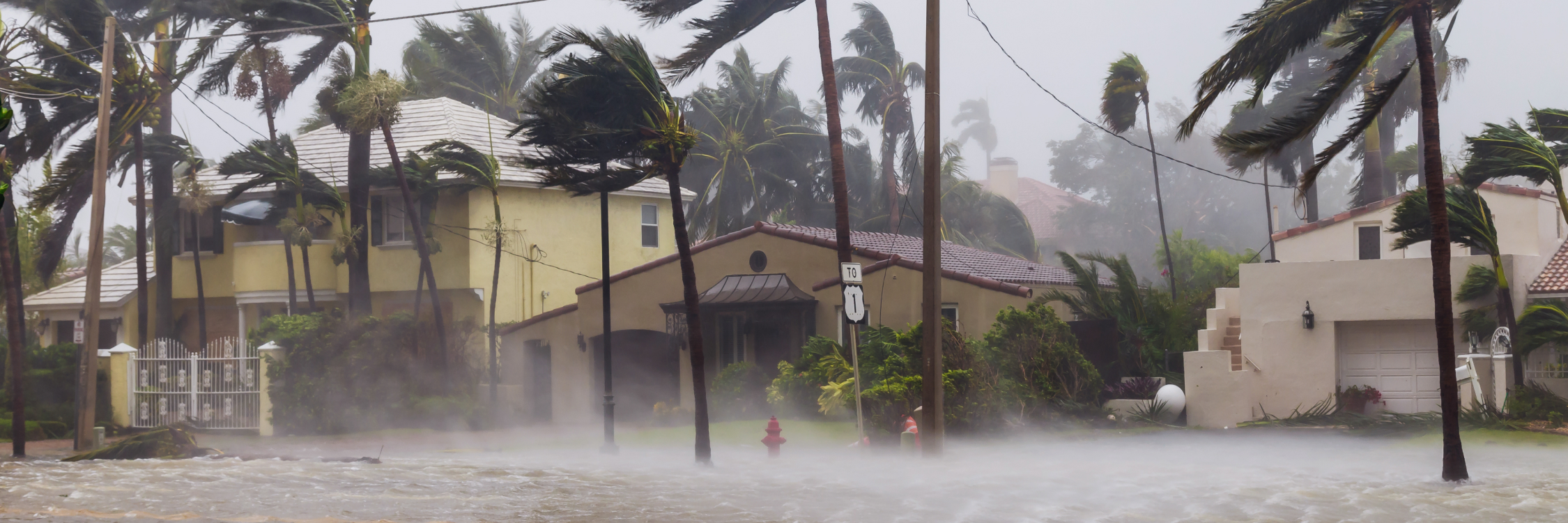

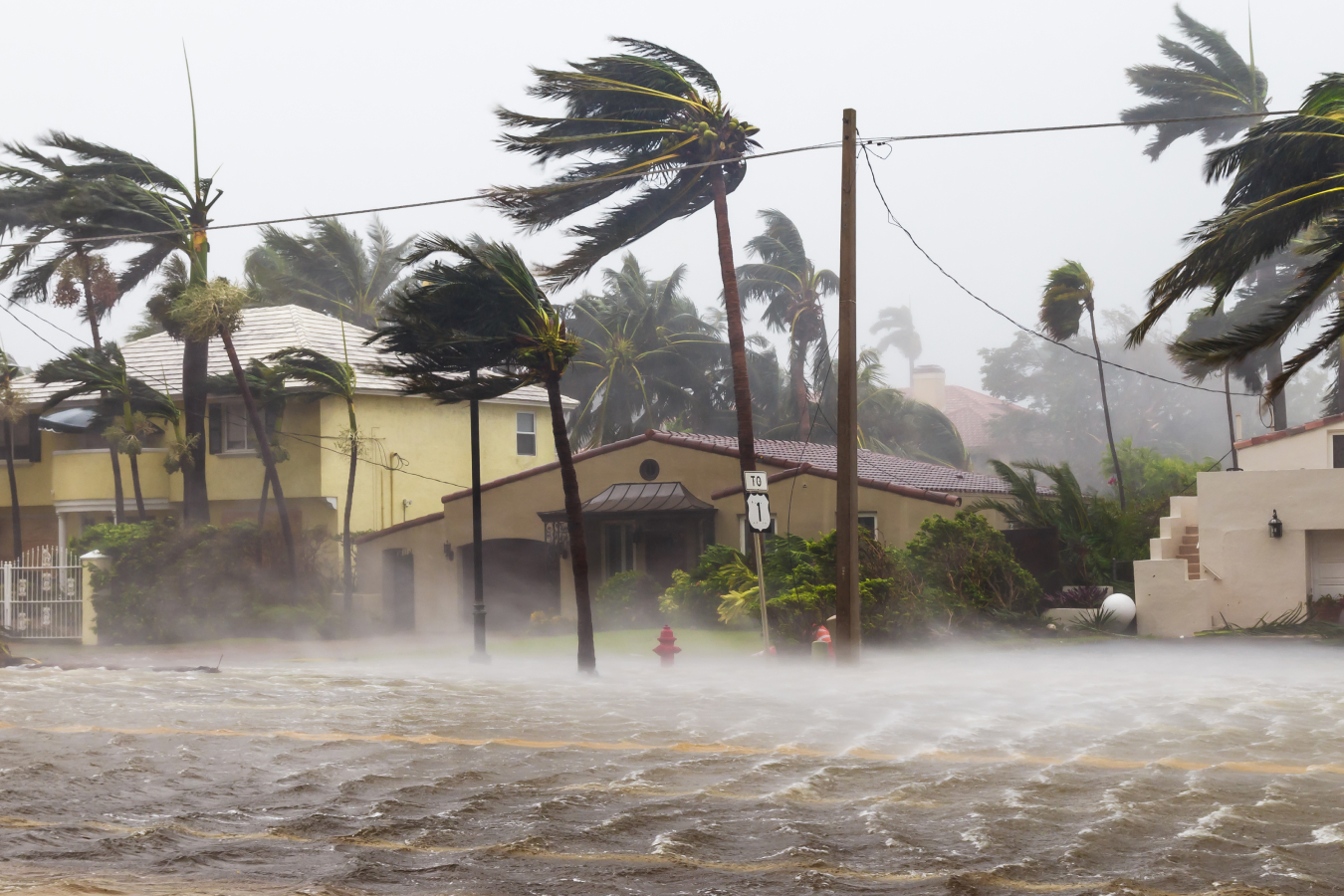
Hurricane season runs from June through November, and for owners and operators of multifamily and single-family rental portfolios, the properties that come through storm season with the least damage are almost never the ones scrambling the week before landfall. They're the ones that treat storm prep as an annual maintenance cycle, not a one-time reaction to a forecast, and the data backs up why the roof gets first priority: roughly 70 to 90 percent of total insured residential catastrophic losses trace back to roof-related damage, according to the Insurance Information Institute.
Start with the roof, then. A pre-season inspection should check flashing, seals around vents and skylights, and any areas where previous patch repairs might not hold up to sustained wind. Loose or aging shingles, membrane seams, and gutter attachments are the details an inspector catches now that an adjuster will be asking about later, and the earlier a weak point is found, the cheaper it is to fix before a storm turns it into a full-blown claim.
Exterior tie-downs matter just as much as the roof itself. Anything that can become a projectile in high wind, patio furniture, signage, HVAC condenser units, pool equipment, playground structures, needs to be secured or staged for removal before a storm warning is issued, not after. Portfolios with multiple sites benefit from a standard pre-storm punch list so every property manager is securing the same items in the same order, regardless of market, rather than improvising under pressure with a storm already on the radar.
Drainage is the quiet risk that causes the most water damage claims, and it's also the risk most owners underestimate until it's their property in the news. Clogged gutters, blocked storm drains, and grading that pools water against a foundation turn a wind event into a flooding event, and flooding is rarely confined to what a standard property policy covers. Flood insurance claims through the National Flood Insurance Program paid out an average of more than $66,000 per claim between 2016 and 2022, and more than 40 percent of those claims came from outside federally designated high-risk flood zones, meaning “we're not in a flood zone” is not the risk mitigation strategy it sounds like. Clearing debris from gutters and drains ahead of season, and confirming that grading and sump systems are functioning, is one of the highest-leverage items on any prep checklist, and it's also the one most often skipped.
Speed matters after the storm passes, not just before it arrives. Water damage left unaddressed can create the conditions for mold growth within 24 to 48 hours, according to EPA guidance, which turns a straightforward extraction and drying job into a full remediation project with its own health, liability, and cost implications. That window is exactly why the vendor side of storm prep matters as much as the physical prep: a portfolio that already has water mitigation and restoration vendors under contract, with response commitments in place before a storm ever forms, is the portfolio that stays inside that window. One that starts sourcing a vendor after the water is already standing is not.
Finally, build the emergency contact list before you need it: property management, roofing and general contractors, water mitigation and disaster recovery vendors, insurance carriers, and utility providers, organized by market and shared with every site team so no one is searching for a number mid-storm. FEMA's hurricane preparedness guidance is a useful baseline for the resident-facing side of this list, covering everything from emergency kits to evacuation routes; the vendor and recovery side is where most portfolios are still underprepared, and where the gap shows up fastest once a storm actually hits.
Storm damage doesn't wait for a convenient day, and neither should your response plan. Lessen supports multifamily and SFR portfolios with disaster recovery services that move from first call to restoration, across every market you own. Get storm-ready with Lessen before the next system develops.
- This is my list