
Cold and Flu Season: Elevating Commercial Cleaning Protocols
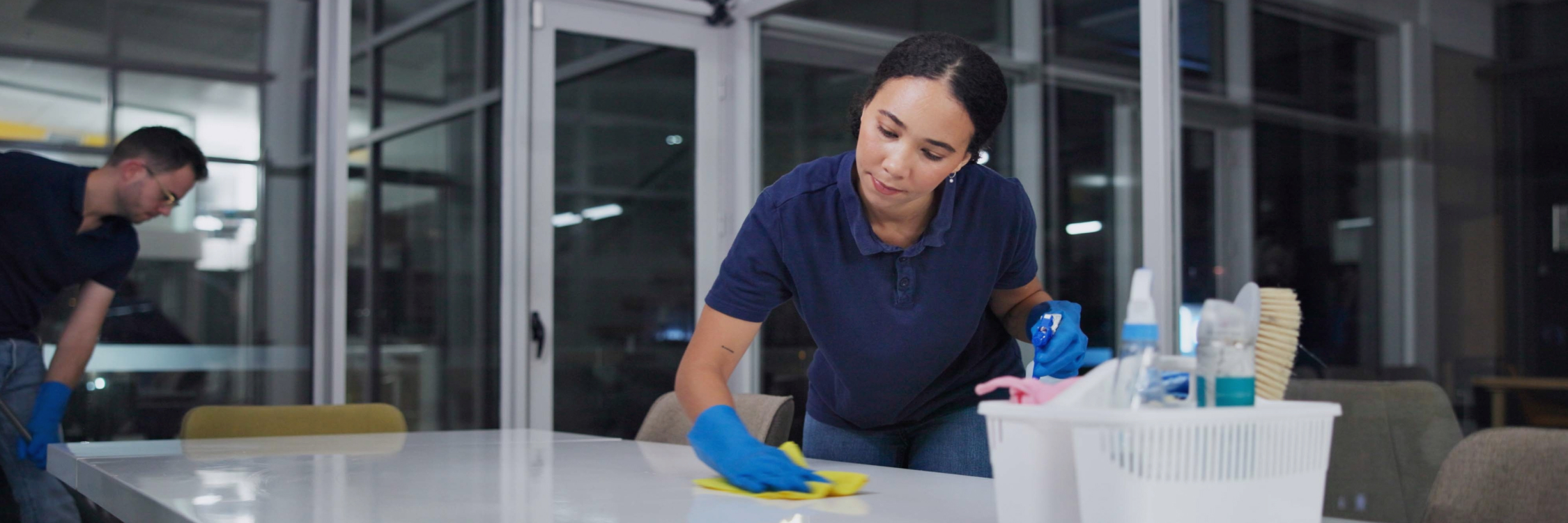

Every fall, commercial properties see the same predictable curve. Flu season runs roughly from October through May, and federal labor data shows that absences due to a worker's own illness climb sharply once winter sets in, often nearly doubling from the year's low point during the December-through-March stretch. In a severe season, CDC surveillance has recorded more than 3 percent of the full-time workforce out sick in a single week, a spike that shows up in a building's break rooms and restrooms well before it shows up in a headline. For commercial property teams, that curve is not just a tenant health issue, it's an operational one, and the building's cleaning program is one of the few levers a facilities team actually controls.
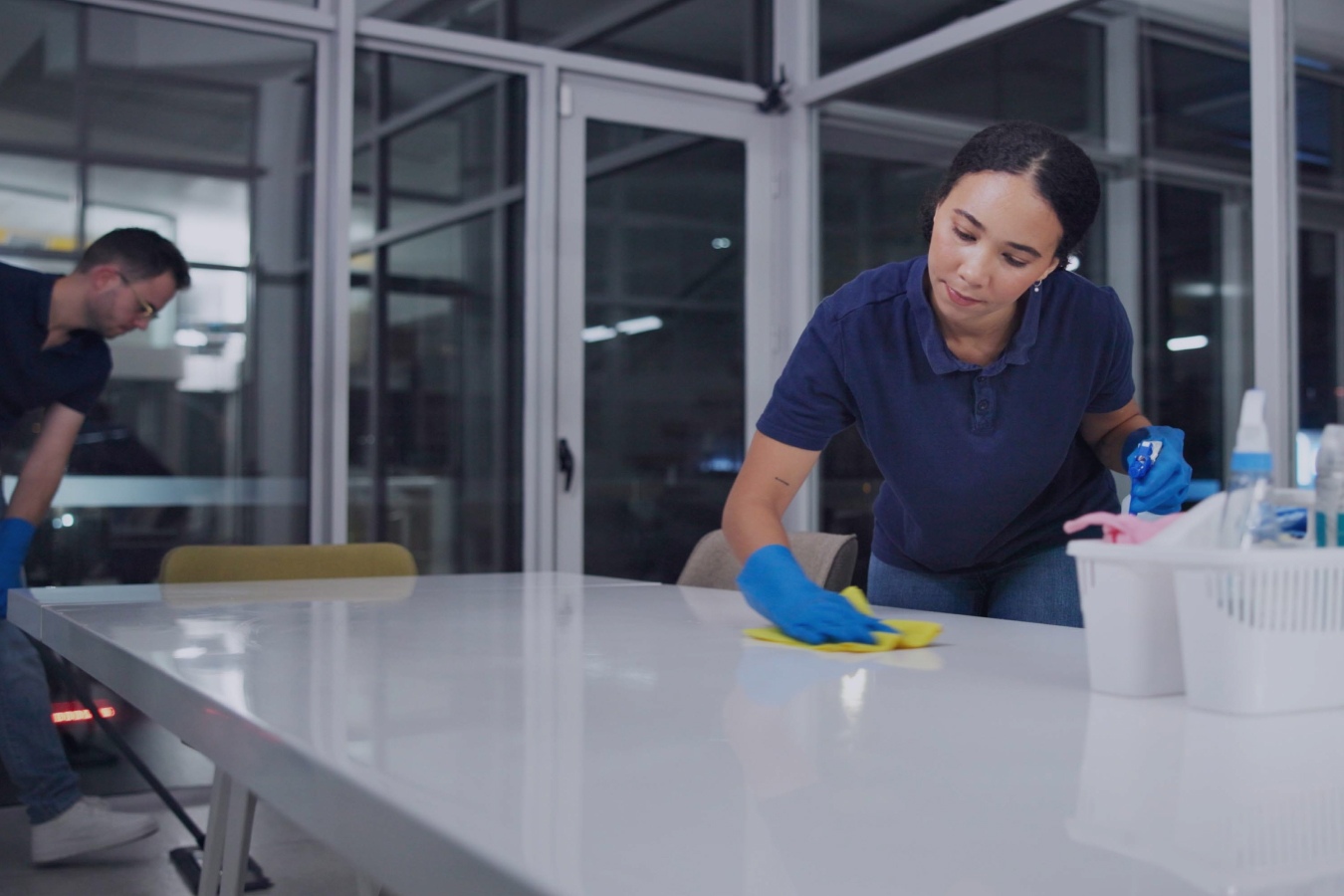
Most commercial cleaning programs are built around a daily baseline: CDC guidance calls for high-touch surfaces, door handles, elevator buttons, shared keyboards and phones, to be cleaned at least once a day under normal conditions. Flu season is the case for going beyond that baseline, not replacing it. Elevating the frequency of high-touch point disinfection, and widening the scope to cover surfaces a standard nightly clean might skip, shared equipment, conference room tables, break room appliances, is a relatively low-cost adjustment against a season that reliably drives up both illness and absenteeism. For a portfolio managing janitorial through a single vendor network rather than a different cleaning company at every site, that adjustment is one instruction applied consistently across every property, not a dozen separate calls asking each vendor to do more.
Restrooms deserve their own attention, because handwashing is one of the few interventions with hard data behind it: CDC research shows that regular handwashing reduces respiratory illnesses like colds by 16 to 21 percent in the general population. That number is only real if soap dispensers are filled, paper towels are stocked, and restrooms are serviced often enough to keep up with fall and winter traffic. A facilities team can't control whether someone washes their hands, but it controls every condition that makes it possible, and increasing restroom servicing frequency during flu season is one of the more directly measurable ways a cleaning program earns its budget.
None of this holds up without a way to confirm it's actually happening. Seasonal protocol changes that live only in a memo tend to fade within a few weeks of being issued, especially across a multi-site portfolio where no one property manager is checking another's break room. Tracking elevated cleaning tasks the same way a preventive maintenance schedule is tracked, by property, by task, with a compliance record behind it, is what keeps a flu season protocol from quietly reverting to the year-round baseline by November. That record is also the difference between assuming the extra disinfection pass happened and knowing it did, at every site, not just the ones someone happened to walk through.
Cold and flu season puts a predictable strain on every building's cleaning program, and the properties that scale up ahead of it see less disruption than the ones that react to it. Lessen manages commercial cleaning through a single vendor network with the reporting to confirm the work gets done, so scaling up for the season doesn't mean chasing down every site's cleaning company yourself. Partner with Lessen to build a commercial cleaning program that flexes with the season instead of running on one year-round setting.
- This is my list